

How Wicked PR can be for you…
settle in my pretties… its a long one
What does Wicked have to do with PR?
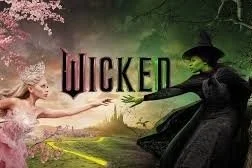
... weirdly Wicked was one of those musicals I really wasn't interested in. The picture always put me off!
For the longest time I preferred Fosse musicals, I liked the edginess of the songs and clean choreography. But then last year I went to see the Wizard, and it reconnected me with the story I loved as a child.
**Spoiler alert - may give a few key storylines away in this share
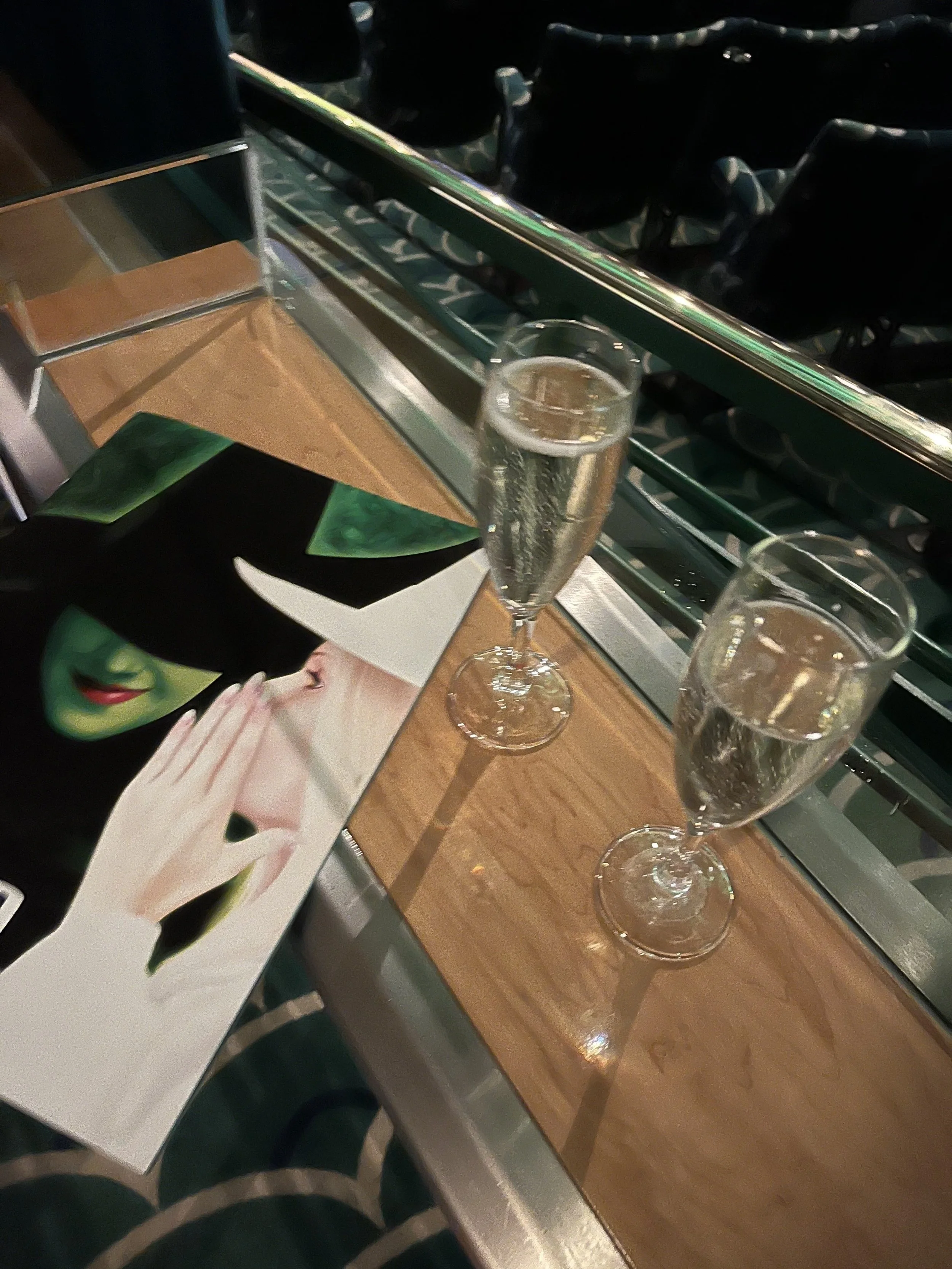
Over Easter break, my Dad and Sister went to London to watch the “Wicked” musical.
Mum had gifted us tickets at Christmas, there was guilt and shame surrounding it, because I know it was one of those gifts she would have loved to buy for herself.
See Shame follows us everywhere and theres even a podcast all about it!.... annnnywayyyy.
Growing up in a family that loves the theatre, whether us performing on stage or being backstage, we’ve always enjoyed a good show.
I mean you would have had to be under a rock recently to not catch the PR around the film of the musical - that is an entirely different blog post altogether - I mean who wouldn’t buy the luxe green Wicked PJ’s…! And, I have two girls who love Ariana Grande, so it was of course on the list to catch after Christmas.
The film was gorgeous to watch, beautiful aesthetics, beautiful people and costumes, humour, catchy songs and there were clever connections to the Wizard of Oz, one of the first stories I became obsessed with growing up. As I settled in to watch the musical, I was curious about how the stage experience would compare to the film, knowing that movies often define the tone of beloved stories.
I wasn’t disappointed… it was clear that the film took all of its cues from the stage show and that made it all the more powerful. As the story unfolded for the second time in as many months, it hit me… that “Wicked” serves as a powerful lesson in PR and storytelling. It illustrates beautifully how stories can shape perceptions and influence relationships, while also emphasising that these narratives do not have to confine us as long as we remain true to ourselves.
The characters of Glinda and Elphaba perfectly embody this dynamic.
Glinda, the classic well put together good girl, in her perfect pink attire, and Elphaba, the green skinned, misunderstood “wicked” witch clad in black, symbolise how societal perceptions often dictate our realities. From the outset, Elphaba’s skin colour attracts misunderstanding and fear, reflecting how our differences often lead to alienation.
One pivotal scene stands out for me - Glinda humiliates Elphaba at the dance by giving her a black pointy hat to wear. The students at the dance laugh at her. Glinda sees that as the ringleader she is the cause of Elphaba’s shame, and realises she has gone too far.
That scene had me welling up, little Sarah could feel that Shame.
What is powerful is Glinda's realisation - witnessing Glinda transition from a source of pain to a figure of compassion; it’s a critical moment that reminds us of the impact our actions have on others and it encapsulates the importance of empathy in both personal and professional relationships—something that resonates in the world of PR, where understanding your audience and knowing how to reach them is key to effective communication.
As the plot progresses, we discover the Wizard’s true motives: a thirst for power that leads to the oppression of others.
This revelation flips the script, showing that Elphaba is the one, we all want to be like, but so many of us end up being more like Glinda... bending to fit in.
Her decision to walk away from the Wizard’s corrupt regime emphasises the strength of integrity, positioning her as a misunderstood hero rather than a villain.
Then comes the spin... with the Wizard’s own Communications Pro literally shouting from the rooftops that Elphaba is untrustworthy and dangerous, immediately turning everyone in Oz against her.
Which beautifully shows how public narratives can and do manipulate perceptions.
Ironically, in a world where popularity defines success, “Wicked” beautifully critiques societal norms through Elphaba’s journey.
“Popular,” one of the signature songs, reveals the contradictions we all feel in the pursuit of acceptance and the pressures to conform.
This story resonates deeply in today’s business landscape. Companies often find themselves at the mercy of public perception, and knowing your story — and being able to effectively communicate it — is crucial. Much like Elphaba, businesses face challenges that test their values and narratives.
PR is more than managing responses; it’s about crafting a compelling story that connects authentically with audiences.
In a world where misinformation can spread like wildfire, understanding and owning your narrative is vital.
It enables businesses to build a solid foundation of trust, engagement, and loyalty with potential clients. Organisations and individuals that tell their story authentically, embracing both triumphs and trials, can resonate more deeply with their target audience, just like the characters we’ve come to love in “Wicked.”
As “Wicked” demonstrates, the essence of storytelling lies in its ability to shape not only external perceptions but also our partnerships. By harnessing the lessons from Elphaba and Glinda, businesses can recognise the power of their own stories to educate, inspire, connect, and ultimately, create positive change in the world.